


Marigold Flower Powder
Marigold Flower Powder
Couldn't load pickup availability
Pairs Well With...
Complete the routine with complementary herbal powders.





Description
Calendula officinalis
Natural Immune & Recovery Supplement for Horses
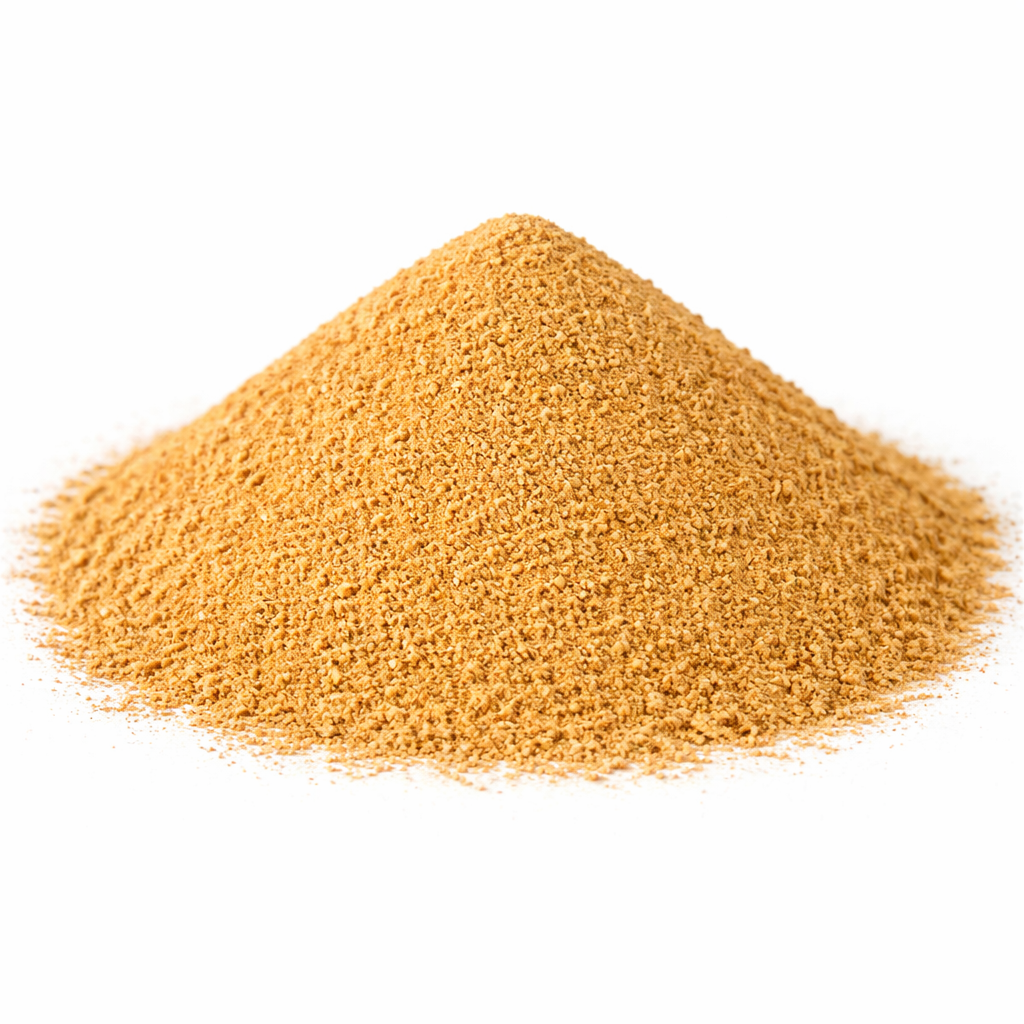
HorseBlends Marigold Flower Powder is a premium equine supplement formulated to support your horse's skin condition, lymphatic flow and steady recovery from seasonal flare-ups. Sourced from the dried petals of Calendula officinalis, also known as pot marigold, this finely milled powder is designed to assist the body's natural processes for maintaining healthy skin barrier function and a calm, balanced internal environment.
Marigold has been used across European herbal traditions for centuries and remains one of the most well-regarded botanicals for skin-sensitive horses, offering gentle internal support that complements external care. It works through its naturally occurring triterpene saponins, flavonoids and carotenoids, which help maintain healthy lymphatic flow and soothed tissue, making it particularly valuable for horses prone to skin sensitivity, sweet itch reactions, dull or scurfy coats and seasonal recovery needs. For horses needing a little extra, it pairs particularly well with Brewers Yeast Powder for broader skin and coat support and Hemp Protein Powder for added condition and essential fatty acid balance.
What makes it especially suitable as a daily equine supplement is its gentle internal action, which works gradually alongside topical care across spring and summer flare-up seasons without the gastrointestinal trade-offs of harsher cleansing approaches.
🌍 Pure Origins: Carefully dried and finely milled from whole marigold petals to preserve their natural carotenoid and flavonoid content, with no fillers, additives, or artificial ingredients.
⚠️ Note for Horse Owners: Marigold is not recommended for pregnant mares as it may stimulate uterine activity. If your horse is on medication, is pregnant, or has any underlying health conditions, please consult your vet or a qualified equine herbalist before introducing any new supplement.

Benefits

How to Use / Dosage Guidance

Supports horses with...
Marigold Flower Powder:
Your Questions, Answered by Experts
Have questions about Marigold Flower Powder? You'll likely find your answers here
Is pot marigold (Calendula officinalis) the same as garden marigold (Tagetes)?
Can marigold be applied topically as well as fed?
Will marigold help or harm a horse known to react to plants in the daisy family?
Can it be fed alongside garlic, nettle or chamomile in a sweet itch routine?
How long before fly and itch season should I start feeding marigold?
Is marigold considered competition safe?