


Turmeric Powder
Turmeric Powder
Couldn't load pickup availability
Pairs Well With...
Complete the routine with complementary herbal powders.





Description
Curcuma longa
Natural Joint & Antioxidant Support Supplement for Horses
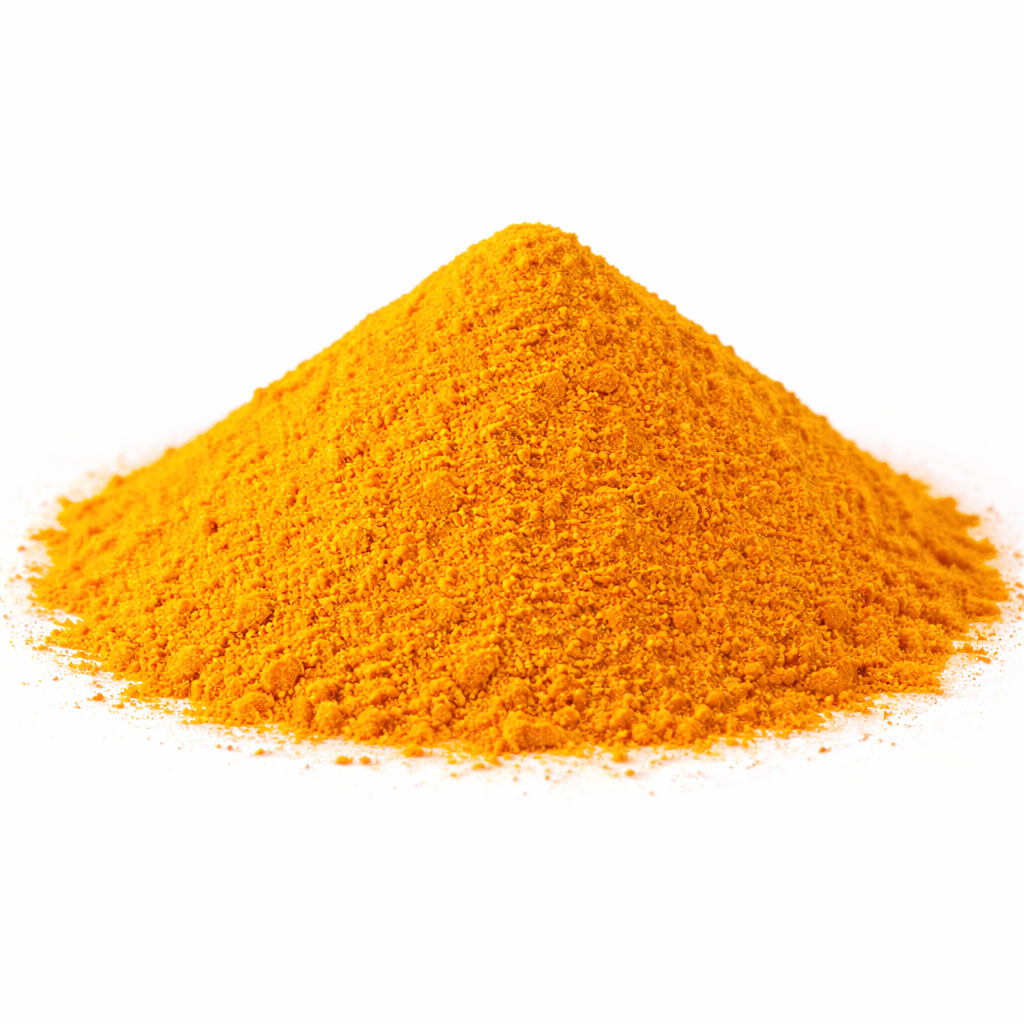
HorseBlends Turmeric Powder is a premium equine supplement formulated to support your horse's joint comfort, natural antioxidant defences, and overall wellbeing. Sourced from the root of the Curcuma longa plant, native to South and Southeast Asia, also known as Turmeric or Indian Saffron, this natural powder contains Curcumin, a naturally occurring polyphenol compound widely regarded as one of the most well-researched natural antioxidants in equine nutrition.
Turmeric is a broad-spectrum herb, meaning it helps support multiple systems at once, from the joints through to the gut lining and skin, making it a versatile daily addition for horses of any age or workload. For best results, it pairs naturally with Rosehip Powder for broader joint and immune support, and works particularly well alongside Boswellia Powder for horses needing comprehensive joint comfort support.
Please note that Turmeric has very low natural absorption on its own and must always be fed correctly to be effective. See the how to use section below for full guidance.
🌍 Pure Origins: Carefully dried and milled from the root of the Turmeric plant to preserve its natural Curcumin content, with no fillers, additives, or artificial ingredients.
⚠️ Note for Horse Owners: Turmeric has mild natural blood-thinning properties. Please consult your vet before use if your horse is on medication or scheduled for a procedure. If your horse has a history of gastric ulcers, seek veterinary guidance before use. Always check competition rules before feeding.

Benefits

How to Use / Dosage Guidance

Supports horses with...
Turmeric Powder:
Your Questions, Answered by Experts
Have questions about Turmeric Powder? You'll likely find your answers here
Why don't you use the popular "golden paste" recipe?
Do I have to feed black pepper for turmeric to work in horses?
How does turmeric compare to bute or Danilon for joint comfort?
Will turmeric stain my horse's lips, mouth or grey coat?
How long until I see a difference in stiffness?
Is turmeric safe for horses prone to gastric ulcers?