


Dried Rosehips
Dried Rosehips
Couldn't load pickup availability
Pairs Well With...
Complete the routine with complementary herbal powders.





Description
Rosa canina
Natural Joint & Mobility Supplement for Horses
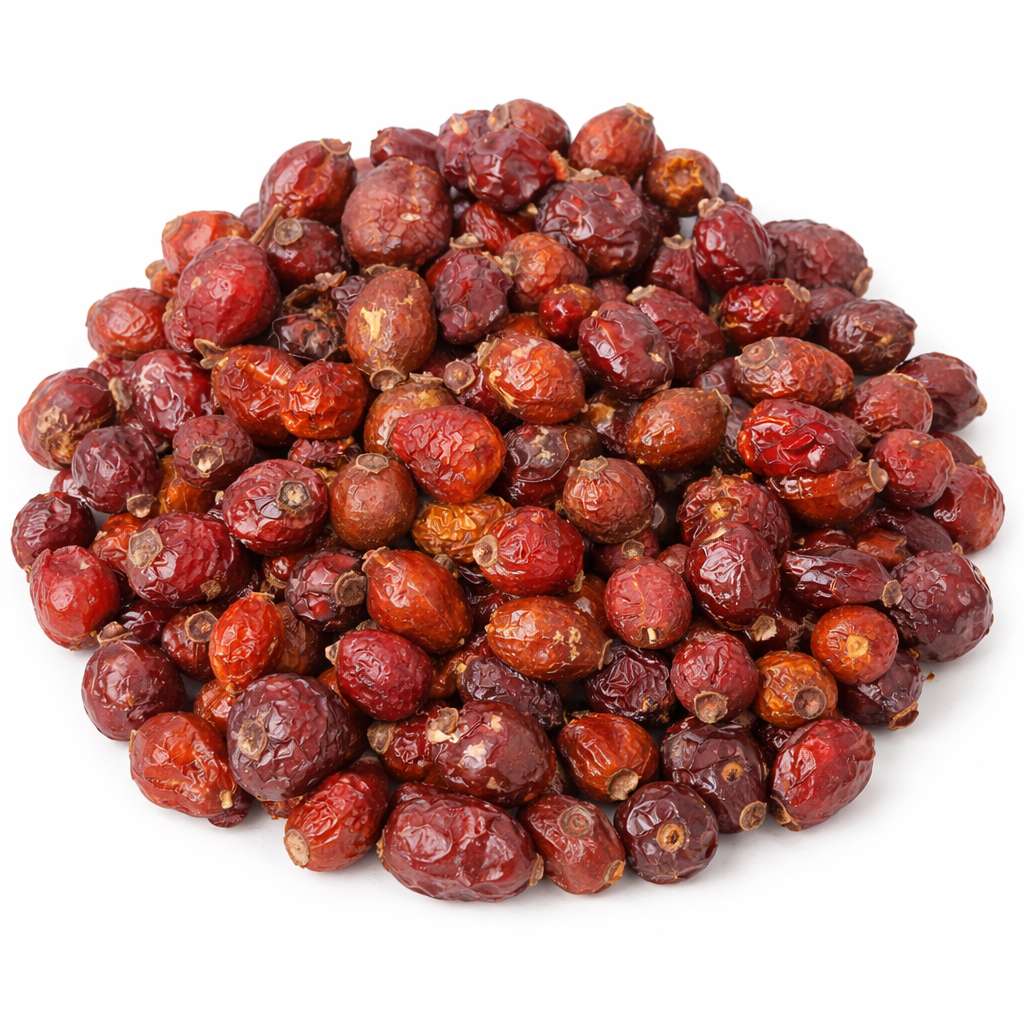
HorseBlends Dried Rosehips are a premium equine supplement formulated to support your horse's joint comfort, antioxidant balance and steady immune wellbeing. Sourced from the whole dried fruit of Rosa canina, also known as the wild dog rose, these whole hips are designed to assist the body's natural processes for maintaining comfortable movement, healthy connective tissue and resilient seasonal defences.
Rosehips have been used across European herbal traditions for centuries and remain one of the most well-regarded plant sources of natural vitamin C and bioflavonoids in equine nutrition. They work by combining the naturally occurring galactolipid GOPO, which is the subject of ongoing research into healthy joint function, with a broad antioxidant profile that helps protect cells against everyday oxidative stress, making them particularly valuable for horses with joint maintenance needs, senior horses and those needing steady immune support. For horses needing a little extra, they pair particularly well with Boswellia Serrata Powder and Turmeric Powder for broader joint and mobility support.
What makes the whole-hip format especially suitable as a daily equine supplement is its naturally palatable, chewable presentation, which encourages slower eating and natural foraging behaviour while delivering the same valuable plant compounds as the milled powder.
🌍 Pure Origins: Carefully harvested and gently dried in their whole form to preserve their natural vitamin C, bioflavonoids and galactolipid content, with no fillers, additives, or artificial ingredients.
⚠️ Note for Horse Owners: If your horse is on medication, is pregnant, or has any underlying health conditions, please consult your vet or a qualified equine herbalist before introducing any new supplement.

Benefits

How to Use / Dosage Guidance

Supports horses with...
Dried Rosehips:
Your Questions, Answered by Experts
Have questions about Dried Rosehips? You'll likely find your answers here
Are dried rosehips high in sugar? Are they safe for laminitics and EMS horses?
Should I soak the dried hips before feeding?
Are the seeds inside the hips safe for horses?
How are dried whole hips different from rosehip powder for joint support?
Will dried rosehips turn my horse's manure pink or red?
How long until I notice a change in joint comfort or coat shine?