


Psyllium Husk Powder
Psyllium Husk Powder
Couldn't load pickup availability
Pairs Well With...
Complete the routine with complementary herbal powders.





Description
Plantago ovata
Natural Digestive & Ulcer Supplement for Horses
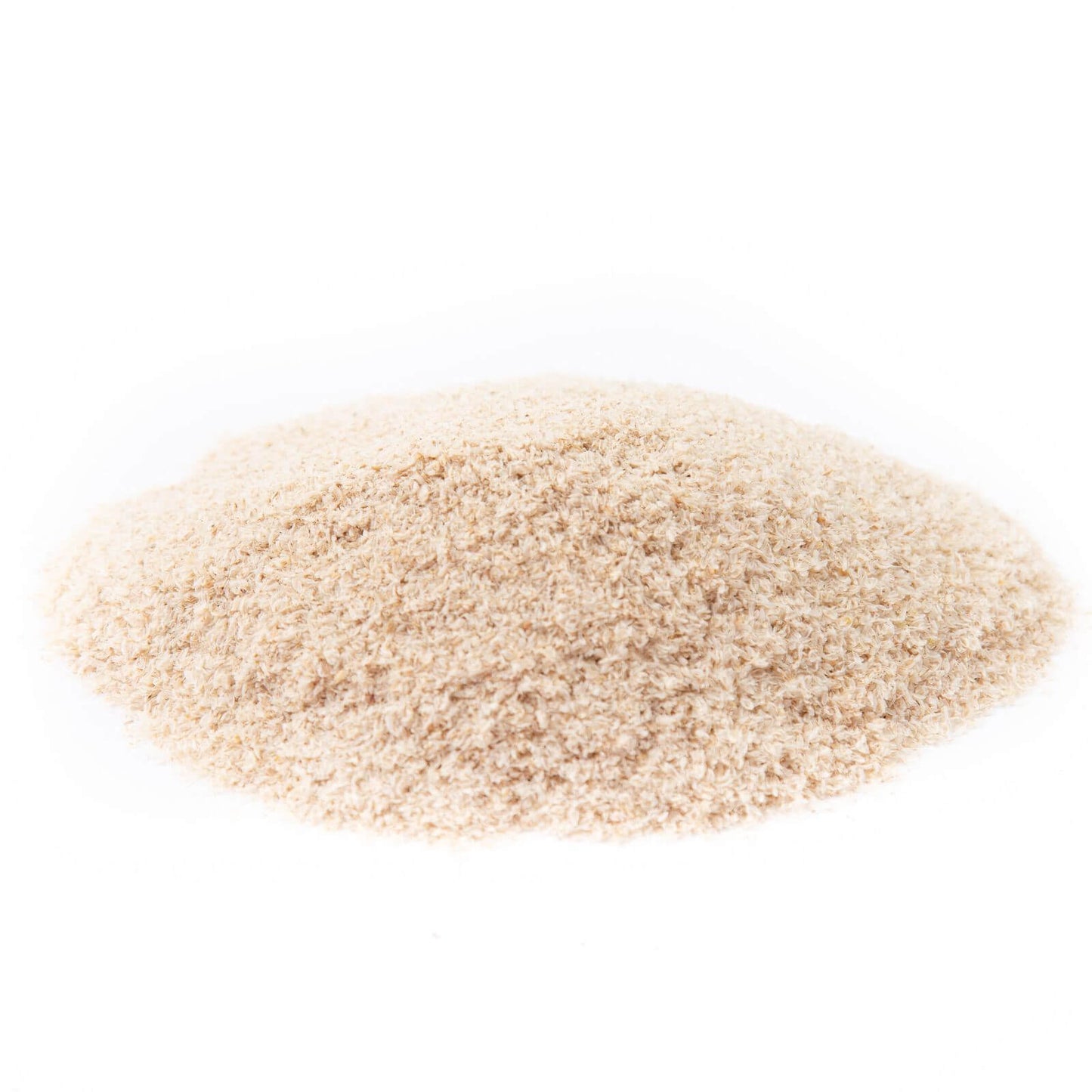
HorseBlends Psyllium Husk Powder is a premium equine supplement formulated to support your horse's hindgut cleanliness, steady digestive transit and natural removal of accumulated sand and grit. Sourced from the seed husks of Plantago ovata, also known as ispaghula, this finely milled powder is designed to assist the body's natural processes for maintaining a clean, comfortable hindgut and healthy bowel regularity.
Psyllium has become one of the most widely recognised soluble fibre sources in modern equine management and is a staple in routines for horses kept on sandy paddocks, sparse pasture or yards where sand ingestion is unavoidable. It works by forming a gel-like soluble fibre matrix in the hindgut that helps bind and gently move accumulated sand and grit through the digestive tract, making it particularly valuable for horses on light or dry ground, those prone to sand accumulation, and horses needing steady digestive transit. For horses needing a little extra, it pairs particularly well with Liquorice Root Powder for broader gastric and mucosal support.
What makes it especially suitable as a cycled equine supplement is its gentle, mechanical action, which works alongside the natural fibre content of hay and pasture without disrupting hindgut microbial balance and without the harshness of stimulant-based cleansers.
🌍 Pure Origins: Carefully separated from the seed and finely milled to preserve its natural mucilaginous soluble fibre content, with no fillers, additives, or artificial ingredients.
⚠️ Note for Horse Owners: Psyllium must always be fed with plenty of fresh drinking water available. Always feed in cycles rather than continuously, as ongoing daily feeding may reduce its effectiveness. If your horse is on medication, is pregnant, or has any underlying health conditions, please consult your vet or a qualified equine herbalist before introducing any new supplement.

Benefits

How to Use / Dosage Guidance

Supports horses with...
Psyllium Husk Powder:
Your Questions, Answered by Experts
Have questions about Psyllium Husk Powder? You'll likely find your answers here
Can psyllium be fed dry, or does it have to be soaked?
Will I actually see sand passing in my horse's manure?
Why does ongoing daily feeding stop working?
How can I tell if my horse has accumulated sand in the gut?
Is psyllium safe for horses prone to choke?
Can psyllium be fed to a horse already in a sand colic episode, or only as prevention?